
Imagine your life as a house. Not just any house, but one uniquely crafted by you, designed to stand strong through every storm, every season, and every challenge life throws your way. A house is only as strong as its foundation. No matter how beautiful the exterior, if the base is weak, it will eventually crumble. The same is true for life—without a solid foundation, everything else is at risk.
So, how do we build a life that is sturdy, meaningful, and able to withstand the inevitable hardships? Let’s explore the core elements of a well-built life, just as an architect would carefully construct a home.
The Foundation: Your Core Values and Beliefs
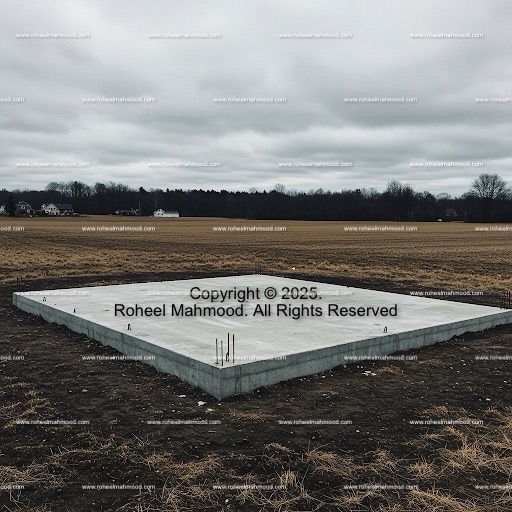
A house starts with its foundation—a deep, steady base that holds the entire structure. In life, this foundation is built on your core values and beliefs. These are the non-negotiables that guide you through every decision, challenge, and success.
What do you stand for? Honesty, resilience, compassion, faith, perseverance? Identifying your core values helps you build a foundation that keeps you grounded no matter what shakes your world. Without clear values, life becomes unstable, like a house built on shifting sand. When challenges arise, you may find yourself easily swayed or lost.
To strengthen this foundation, take time to reflect. Ask yourself, “What truly matters to me? What do I want my life to stand for?” Write these values down and revisit them often. A well-anchored foundation ensures that no matter what changes around you, your essence remains unshaken.
The Walls: Knowledge, Growth, and Self-Awareness
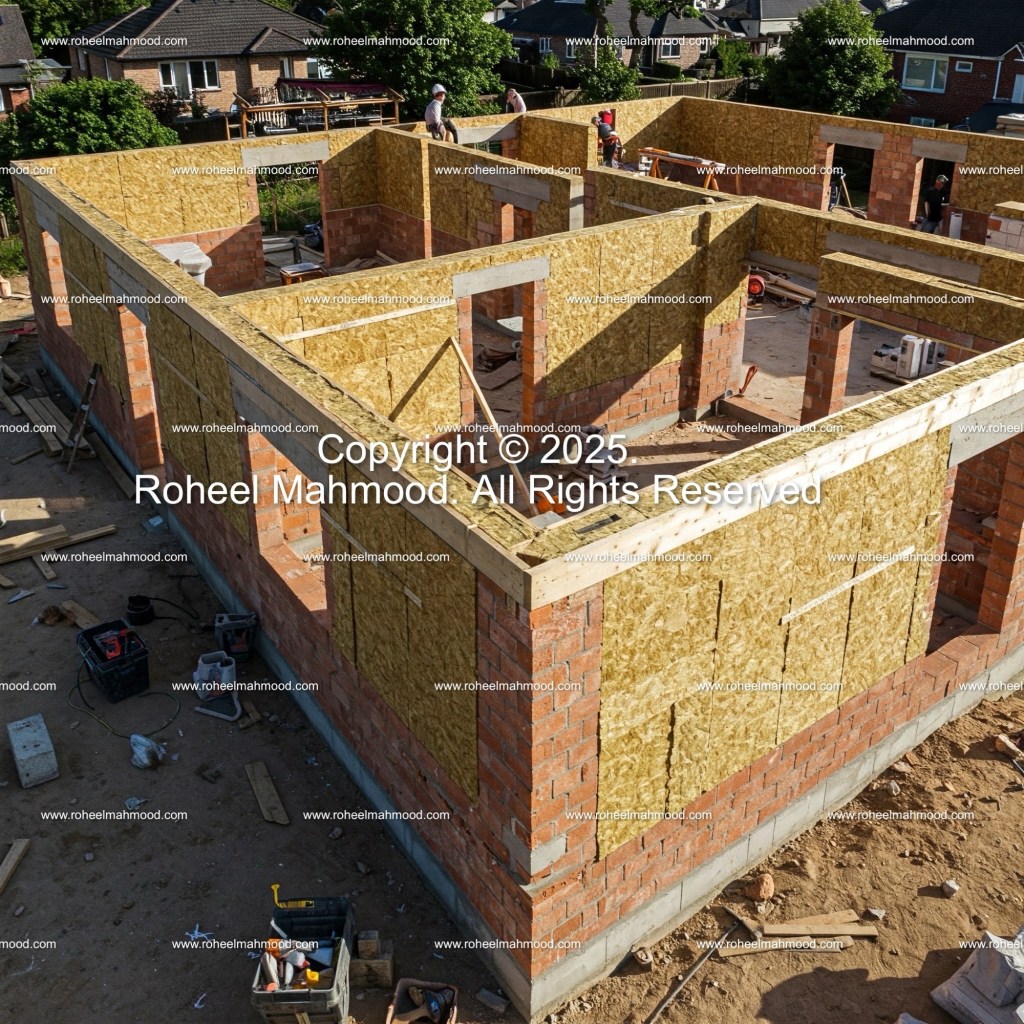
Once the foundation is secure, the walls go up. These walls represent the knowledge and personal growth that give structure to your life.
Education, experiences, and self-awareness shape these walls, making them strong and adaptable. Learning doesn’t just come from books—it comes from conversations, failures, and introspection. The more knowledge you gather, the stronger your walls become.
Self-awareness is key here. Without it, you might build walls in the wrong places, creating unnecessary barriers instead of an open, expansive space. Understanding yourself—your strengths, weaknesses, emotions, and triggers—allows you to construct a home that fits you perfectly, rather than one built on societal expectations or external pressures.
The Cement: Emotional Resilience and Mental Strength
What holds the walls together? Cement. In life, this is your emotional resilience. It’s what keeps you intact when the world tries to break you apart.
Hardships are inevitable. You will face heartbreak, failure, disappointment, and loss. Without resilience, the walls of your life may crack and crumble. However, if you cultivate mental strength, you can repair and reinforce those cracks, ensuring your house remains strong.
How do you build resilience? By embracing challenges rather than fearing them. By practicing mindfulness, gratitude, and self-compassion. By understanding that failure is not a dead end but a detour leading to growth.

The Roof: Purpose and Passion
A house without a roof is incomplete, just as a life without purpose feels directionless. Your roof is what protects you from the elements, giving you a sense of shelter and meaning.
What fuels you? What ignites your soul? Whether it’s a career, a mission, a creative pursuit, or a commitment to helping others, your purpose provides direction. It gives your house its final, protective layer.
Many people struggle to find their purpose, but the key is to follow what excites and fulfills you. Pay attention to what brings you joy and what impact you want to leave behind. Your purpose doesn’t have to be grand—it just has to be meaningful to you.

The Doors and Windows: Relationships and Connections
A house without doors and windows is isolated. Relationships are the openings in our life that let love, wisdom, and experiences flow in and out.
Choose your relationships carefully. Surround yourself with people who uplift and support you. Build doors that open to opportunities, and windows that bring fresh perspectives. At the same time, ensure you have sturdy locks—boundaries that protect you from negativity and toxicity.

The Interior: Emotional Well-being and Fulfillment
While the structure of a house is essential, what truly makes it a home is the interior—the warmth, the comfort, the feeling of belonging. In life, this is your emotional well-being.
Decorate your life with experiences that bring joy. Fill your days with moments of laughter, reflection, and self-care. A beautiful home is not just about strong walls and a sturdy roof; it’s about the feeling of peace and fulfillment inside.
Maintenance: Continuous Growth and Adaptation
Even the strongest house needs maintenance. Over time, wear and tear happen. Just as a home requires repairs, repainting, and updates, your life needs continuous growth, healing, and change.
Never stop evolving. Regularly check in with yourself—are your values still aligned? Do you need to rebuild certain areas? Growth is not a one-time event; it’s a lifelong process.
Conclusion: Build a Life That Stands Strong
A well-built house doesn’t just happen overnight. It requires effort, patience, and a vision. The same is true for life. By focusing on a strong foundation, building meaningful connections, and continuously growing, you can create a life that stands resilient through any storm.
So, what does your house look like? Is it sturdy and welcoming, or does it need some renovations? Start today—lay the bricks, reinforce the walls, and build a life that not only stands strong but also feels like home.
Disclaimer: AI-Generated Images
Please note that some of the images featured on this blog may have been generated through Artificial Intelligence (AI) tools. While we strive to ensure that all visuals align with the content and enhance the user experience, the images created through AI are not based on real-world photographs and may not accurately represent actual persons, places, or events. We aim to use AI-generated content in a creative and responsible manner, and we encourage readers to view these images as artistic interpretations rather than factual representations.
Discover more from Confessions of a Business Freak
Subscribe to get the latest posts sent to your email.

